What Is Oud? And Why Does It Cost More Than Gold
 Ashley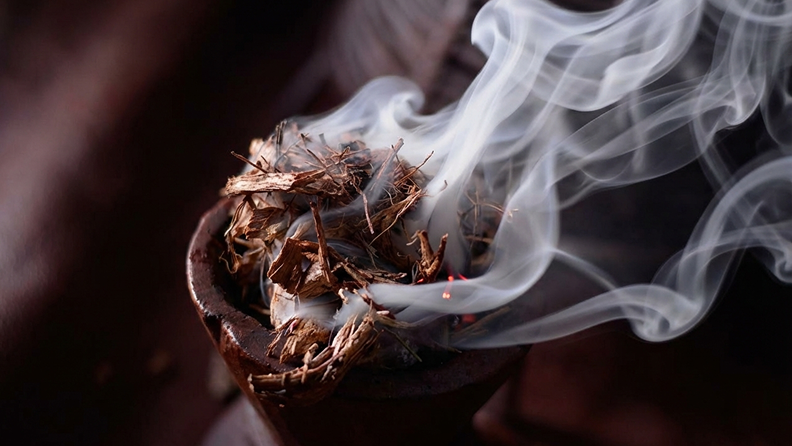
A tree got sick. Centuries later, someone is charging you for it.
There is a fungus that infects a tree. The tree panics, produces a dark resin to protect itself. Centuries later someone burns a tiny piece of that wood and charges the same as a car payment for it.
That is oud. The most expensive fragrance ingredient on earth. The reason it costs what it costs is not branding or scarcity theater. It is that the thing cannot be hurried. A specific mold, a specific tree, years of resin developing in the wood. You are paying for time that already happened inside something that was not trying to make you a product.
The first time I smelled it I did not have words for it. I stood there for too long and then went back the next morning before my flight and bought the smallest bottle they had. That was three years ago. The bottle is still on my shelf.
Where Oud Comes From
The Aquilaria tree grows across Southeast Asia and South Asia and most of its life it smells like nothing. Then a specific mold gets into the wood. The tree floods the infected area with a dark, oily resin trying to fight it off. That resin sits in the wood for years. Sometimes decades. And somewhere in that process, something extraordinary happens to the smell.
That resin is oud.
Less than 2% of wild Aquilaria trees ever go through this. The rest live and die as ordinary trees. Nobody burns them. Nobody flies to Istanbul for them.
What Oud Smells Like
The man in Istanbul described it as smoke that decided to become wood. I thought that was a sales line. I still think about it.
Old. Not stale. Old the way the inside of a leather bag gets old after twenty years of being carried. Dark wood, something faintly animalic that should be off-putting and is, for reasons I cannot explain, the part that makes you lean in. The animalic note is where people either stay or go. It reads like barn to some people on first contact. Like horses, like the earth underneath something, like the smell that was there before the smell you were expecting. On its own it would be too much. Inside oud, it is what makes the whole thing feel real instead of manufactured. Synthetic oud is woodier, cleaner, easier. It is also the one that you forget.
Origin changes the smell entirely. Middle Eastern oud leans sweet, almost balsamic, sometimes with a rose quality running under the wood, like incense smoke in a warm room. Cambodian and Vietnamese oud goes the other direction: earthier, darker, occasionally medicinal in a way that is genuinely strange the first time. It smells like the tree had a harder time — medicinal and dark and occasionally close to bitter in a way that stops you before you decide whether you like it. Both are extraordinary. Both are oud. They do not smell like the same thing.
I keep coming back to Creamy Oud when I want oud without the ceremony. Dark wood, soft edges, the kind of scent that stays close instead of performing for the room.
Why Oud Costs What It Costs
Wild oud-producing trees are endangered. The Aquilaria species sits on the CITES list of protected plants because demand outpaced what the forests could produce. A kilogram of high-grade wild oud oil trades somewhere between $5,000 and $30,000. Luxury perfume houses become economical by comparison.
The industry farms oud now too. Aquilaria trees deliberately inoculated with the mold, resin production forced at scale, supply made more predictable. Farmed oud is cheaper and more consistent. It is also, to anyone who has smelled both, noticeably younger. Less time in the wood. Less of whatever that time does to the smell.
What you are paying for with real oud is a tree that had to get sick, resin that had years to develop, a material that cannot be rushed into existence. I know that. I flew back to Istanbul before my flight because I knew that. The price follows from that and I paid it anyway.
Oud in Incense vs. Oud in Perfume

Oud in a perfume and oud in a burning stick are not the same experience. Not even close.
In perfume, oud sits underneath everything else and stays there. Skin makes it polite. Most Western perfumes that claim "oud" are working with a synthetic approximation. Genuine oud oil in any real concentration is expensive. Its presence in a $60 bottle is worth questioning.
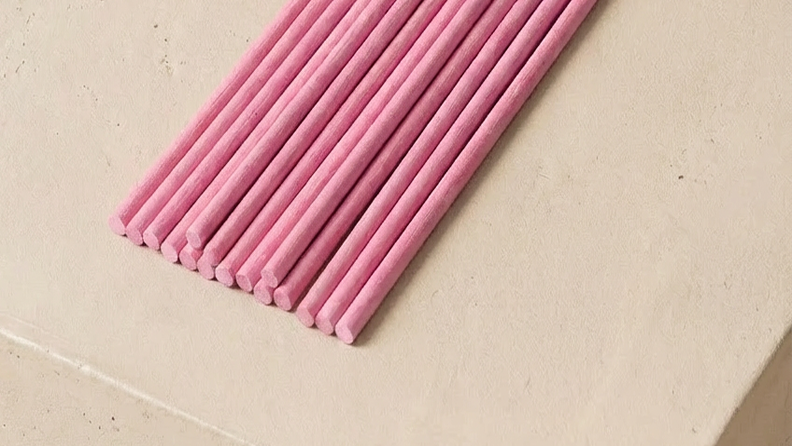
In incense, oud works through heat. The resin opens up in smoke and you are not wearing it, you are inside it. The smoke fills a room and stays long after the stick has finished. Smoke makes it honest.
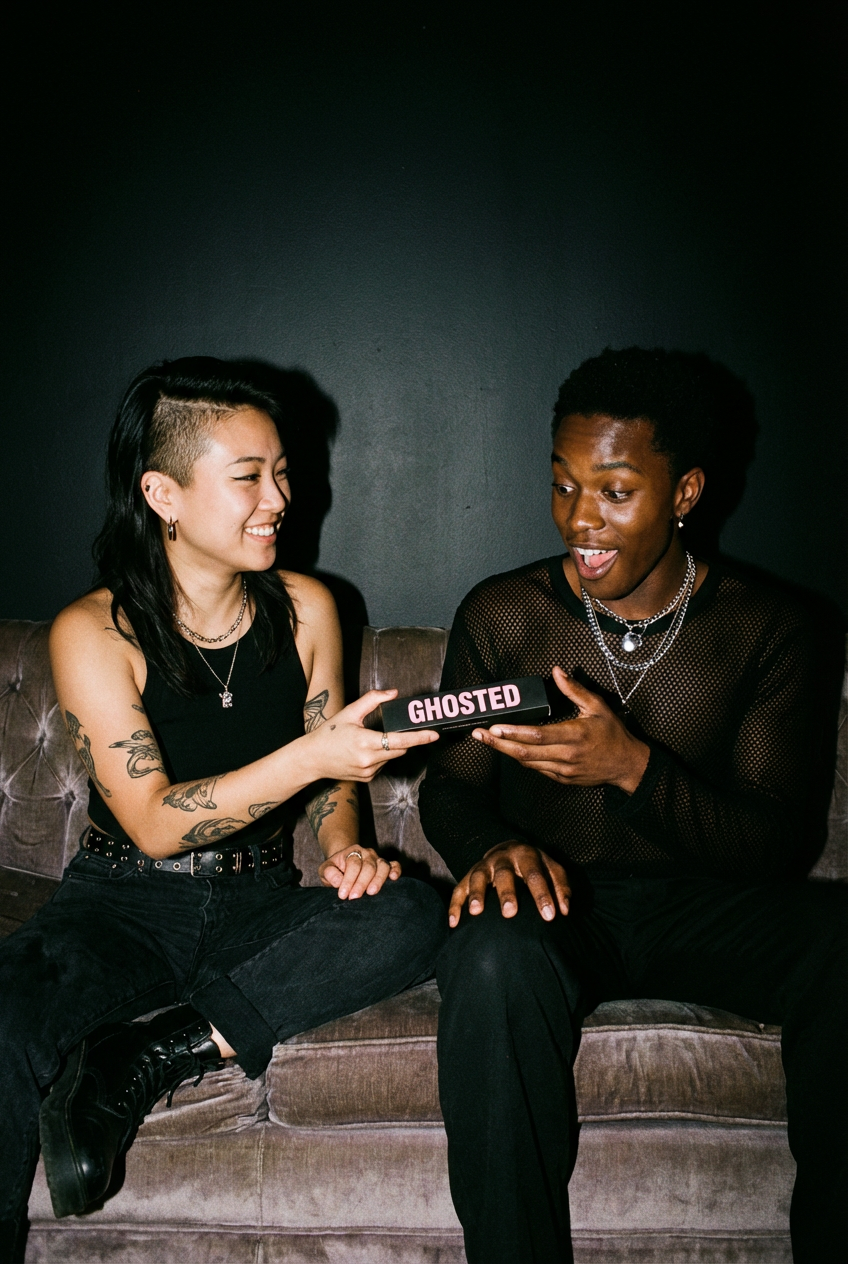
I like oud most in smoke. It makes the room feel older than it is. I keep GHOSTED on my desk for exactly that. Light it, leave it alone.
Most things at this price are performing rarity. Oud is actually rare.
FAQ
I went down the rabbit hole. You are welcome.
Is oud the same as agarwood? Yes. Two words for the same thing. "Oud" is the Arabic term, used widely in Middle Eastern perfumery. "Agarwood" is the English botanical name. In Southeast Asian markets it is sometimes called "gaharu." Same resin, same tree, different passport.
What does oud smell like to someone who has never smelled it? Old. Not stale, old. Dense wood, faint smoke, something slightly animalic that reads almost like old leather. It does not smell synthetic because it is not.
Why is oud so expensive? The infection rate in the wild is almost nothing. The resin takes years to develop and cannot be forced. Wild trees are endangered from over-harvesting. You are paying for something that could not be made faster and cannot be faked convincingly.
Is synthetic oud the same as real oud? No. Synthetic oud gets the shape of it but not the depth. Natural oud develops over years inside the wood. Synthetic versions hit the top notes but go flat. Real oud keeps changing for hours. That part cannot be faked out of a lab.
How much oud incense is too much? You will know because it follows you into the room you walked away to. It gets into fabric. The next morning the apartment still smells like the night before. Oud does not stay where you put it and it does not ask permission to spread. One stick. Open a window if you want to control where it goes.